
encounter – attend – gather
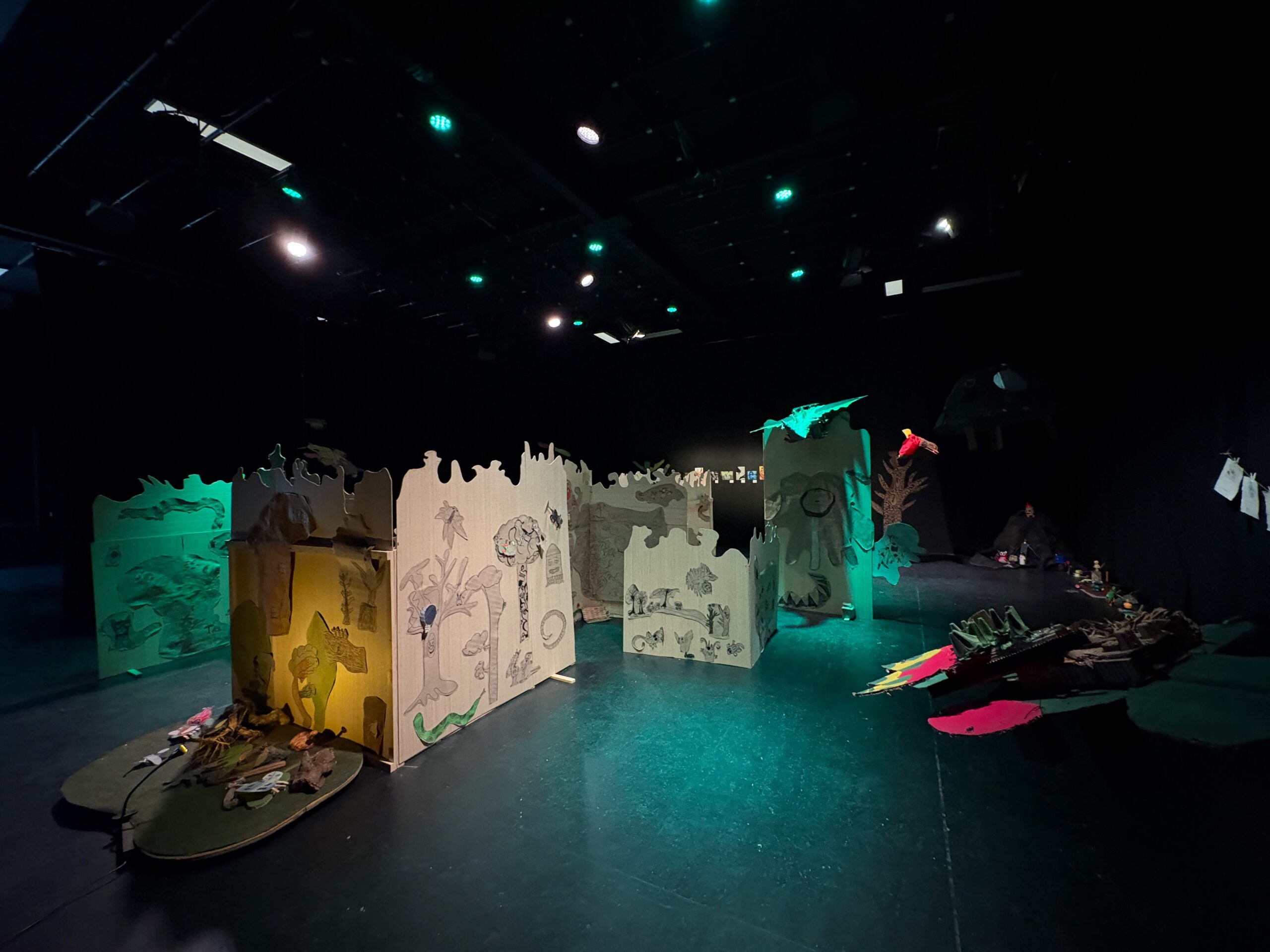
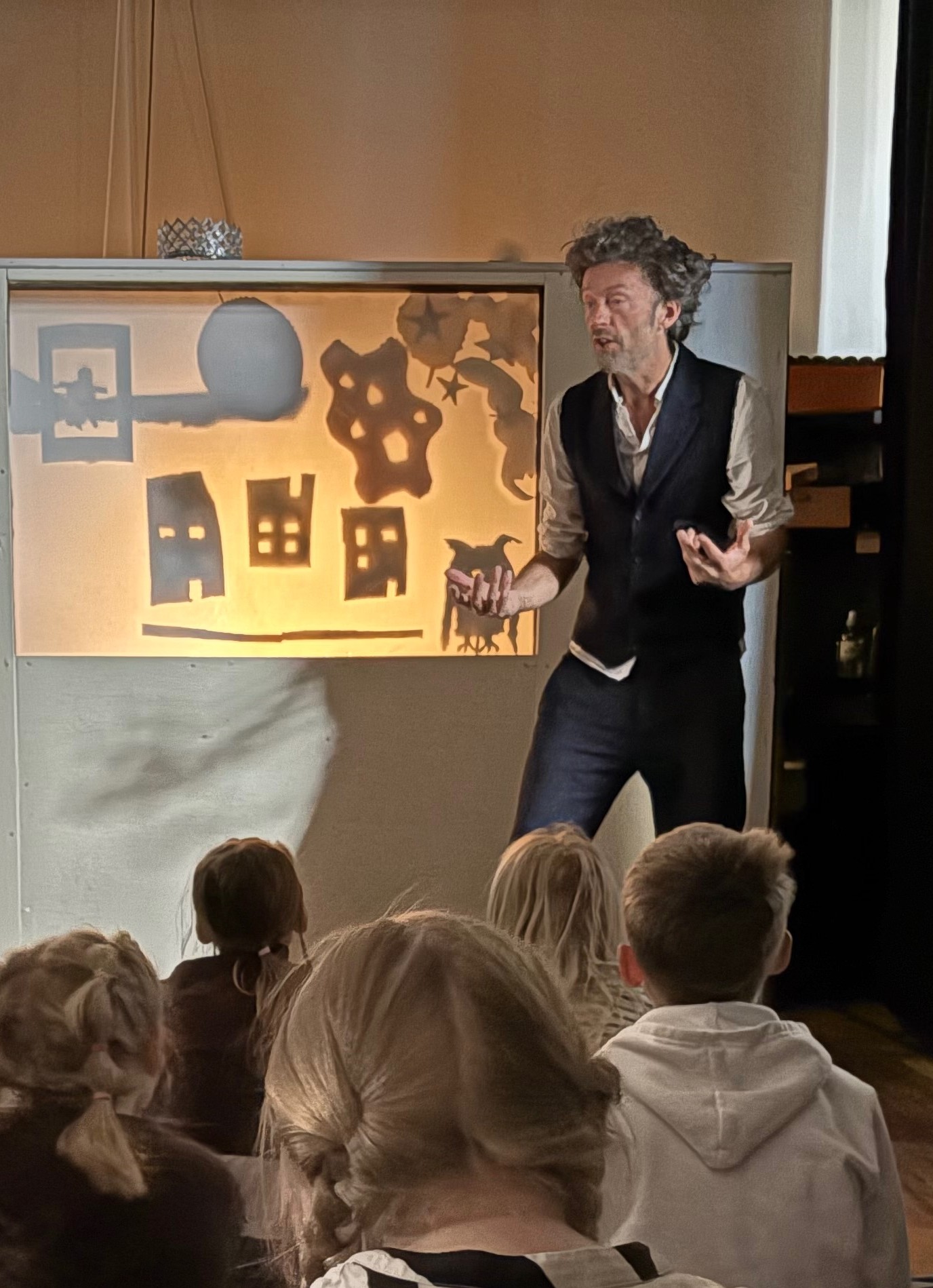
What happens when we begin with practice rather than with answers?
Across ART-ECO, artists, educators and researchers are already experimenting with ways of bringing young people into relation with materials, places, other people and the more-than-human world.
Sourcing is our way of paying attention to these practices.
We encounter, observe and gather artistic-educational practices not simply as examples of teaching, but as sources of knowledge in their own right. We ask what they can reveal about education, sustainability and our ways of being in a shared world.
What are we sourcing?
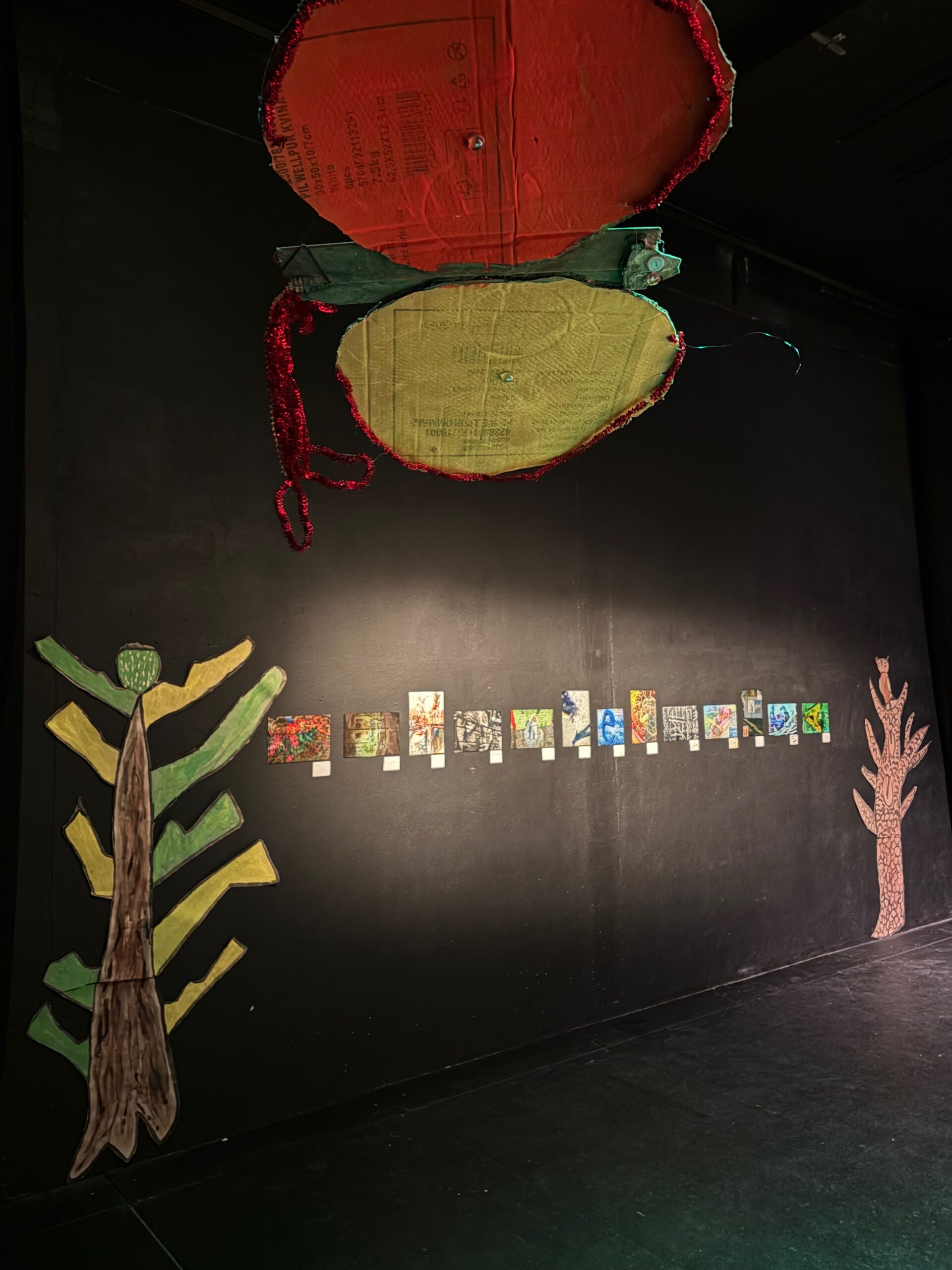
Practices
Workshops, experiments, artistic .processes and educational situations.
Materials
The substances, objects and tools through which encounters with the world take shape.
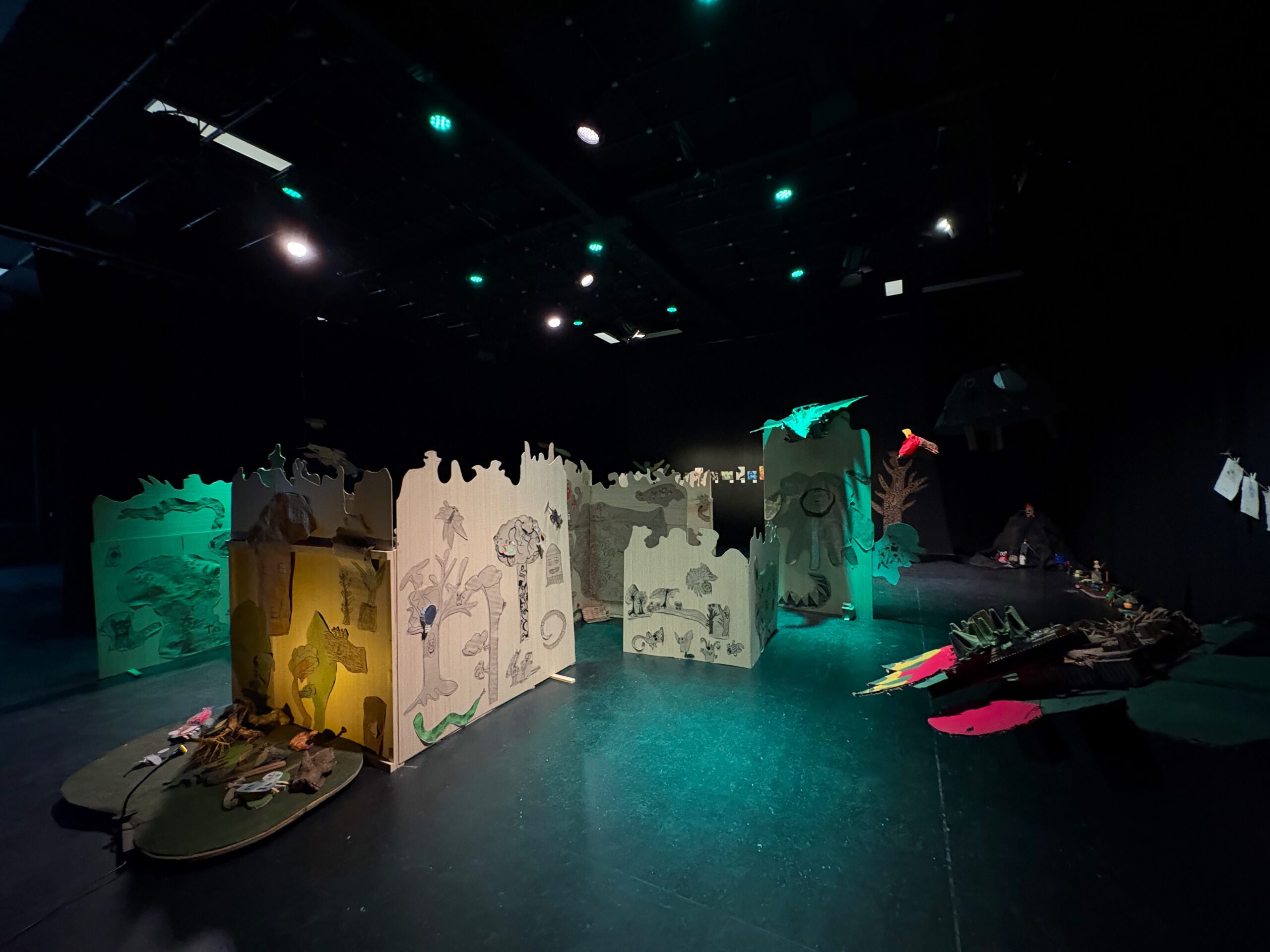
Relationships and spatial arrangements
Ways learners, educators, materials, environments and each other come into relation
Conditions that invite attention, curiosity, openness and shared engagement.
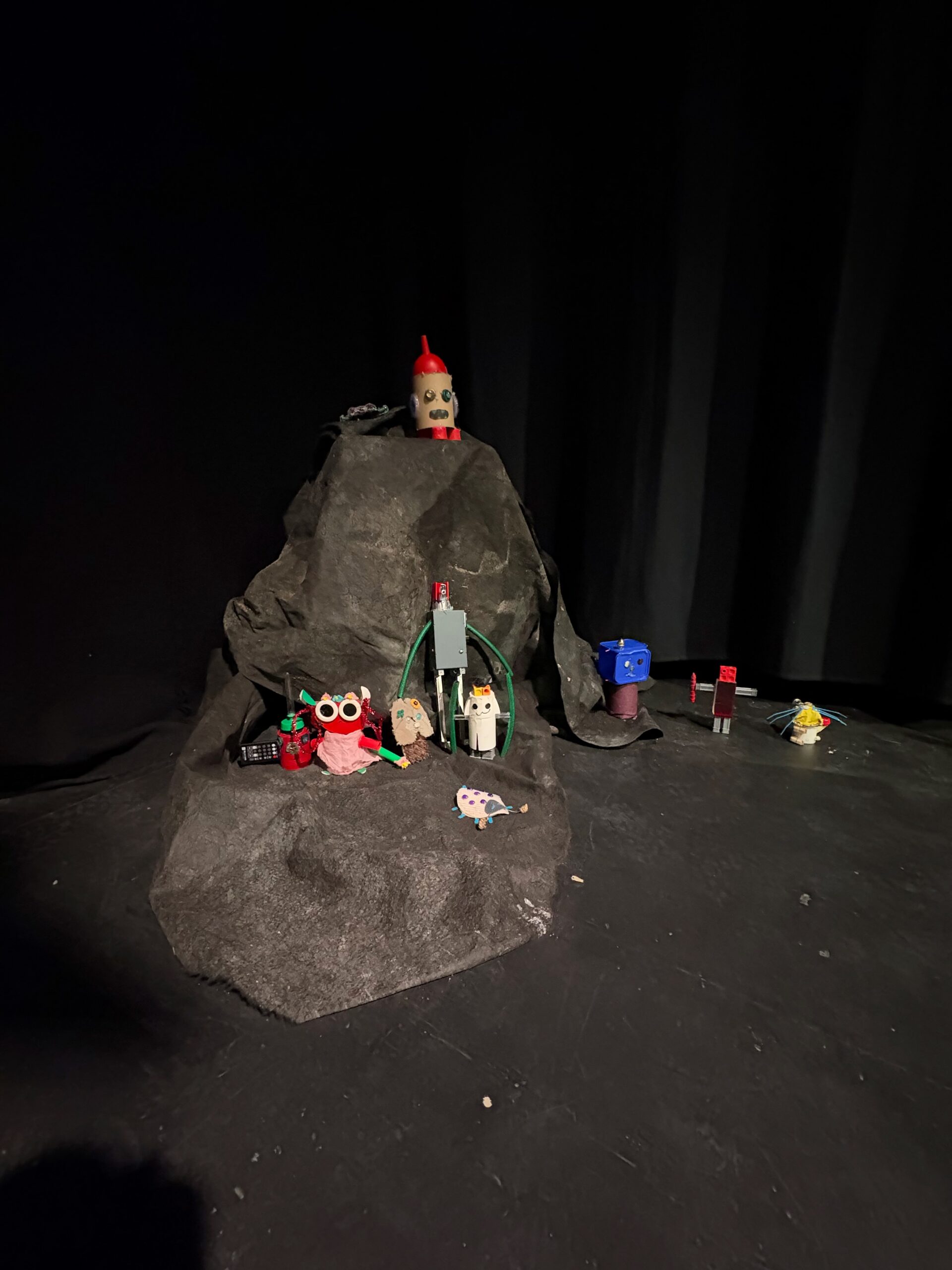
Ideas
Concepts that help us notice something in practice that we might otherwise overlook
Ideas that help us see differently
We source ideas as well as practices.
For ART-ECO, is not a set of answers to be applied to educational practice. We use concepts differently: as invitations to notice, question and sometimes unsettle what we think we already know.
Several thinkers currently accompany our exploration.
Gert Biesta
Encountering the world
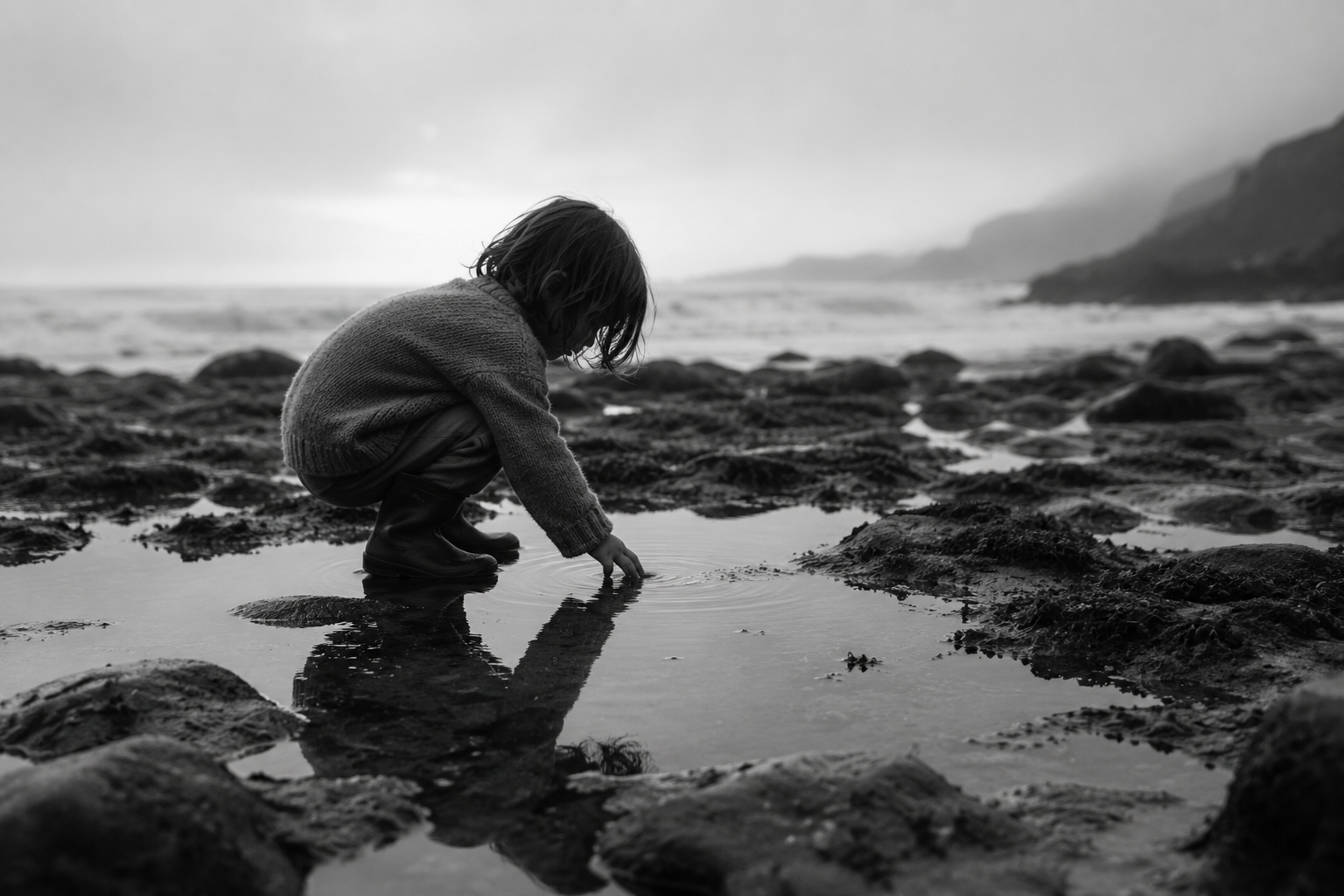
What if education is not primarily about expressing ourselves, but about encountering a world that exists beyond our wishes and intentions?
For ART-ECO, Biesta helps us explore artistic practice as a space in which learners meet resistance, difference and the question of how to live responsibly in a shared world.

Hartmut Rosa
Resonance
What happens when something in the world speaks to us – and we respond?
Rosa’s concept of resonance draws our attention to openness, responsiveness and mutual transformation. It also reminds us that meaningful encounters cannot simply be engineered: educators can create conditions for resonance, but cannot control whether it occurs
Karen Barad
Intra-action
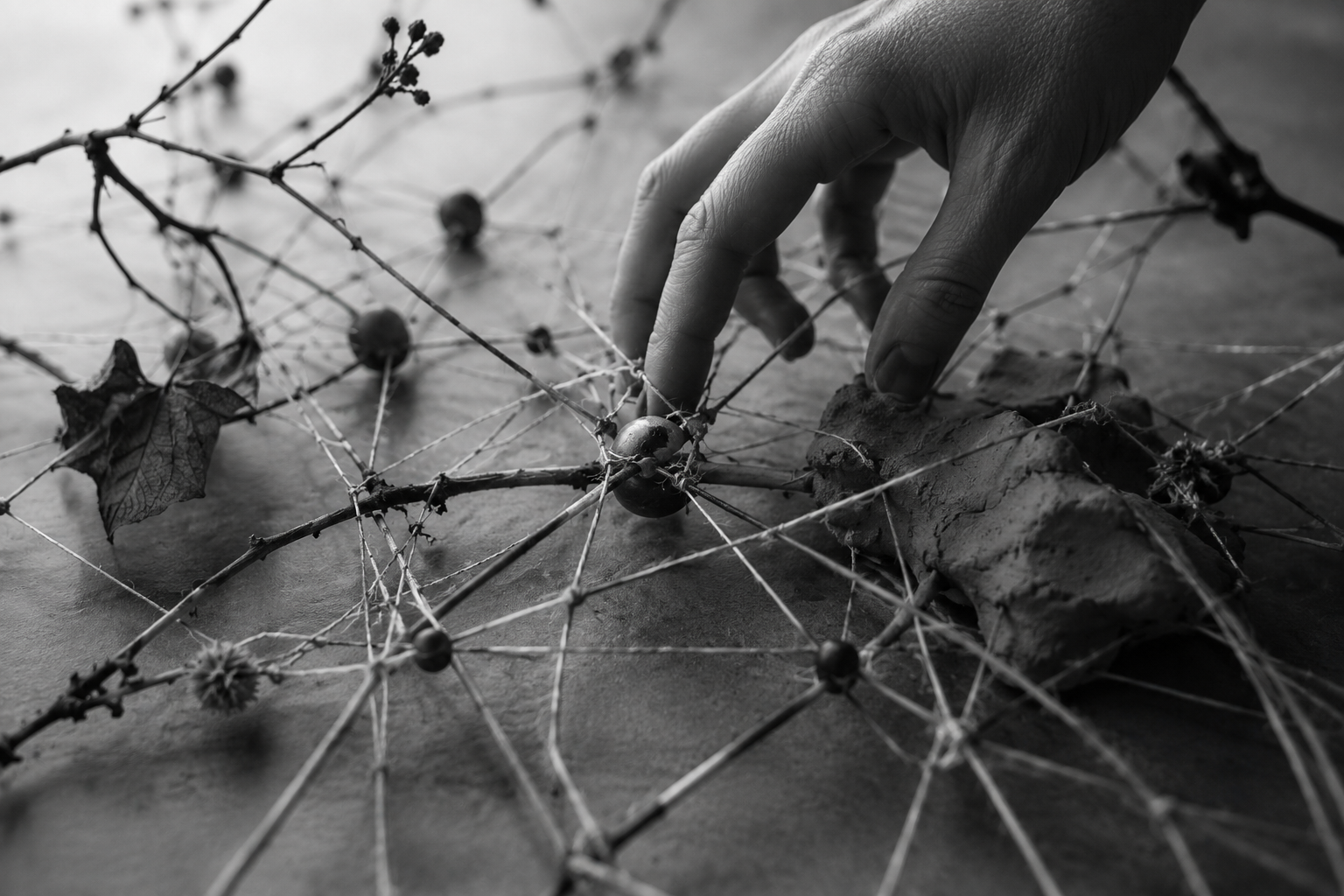
What if learners, materials and environments do not simply interact as separate things, but take shape through their relationships?
Barad directs our attention toward materiality and entanglement: how bodies, objects, spaces, language and actions together constitute an educational event.
Artistic Research
Knowing through making
What kinds of knowledge emerge through artistic practice itself?
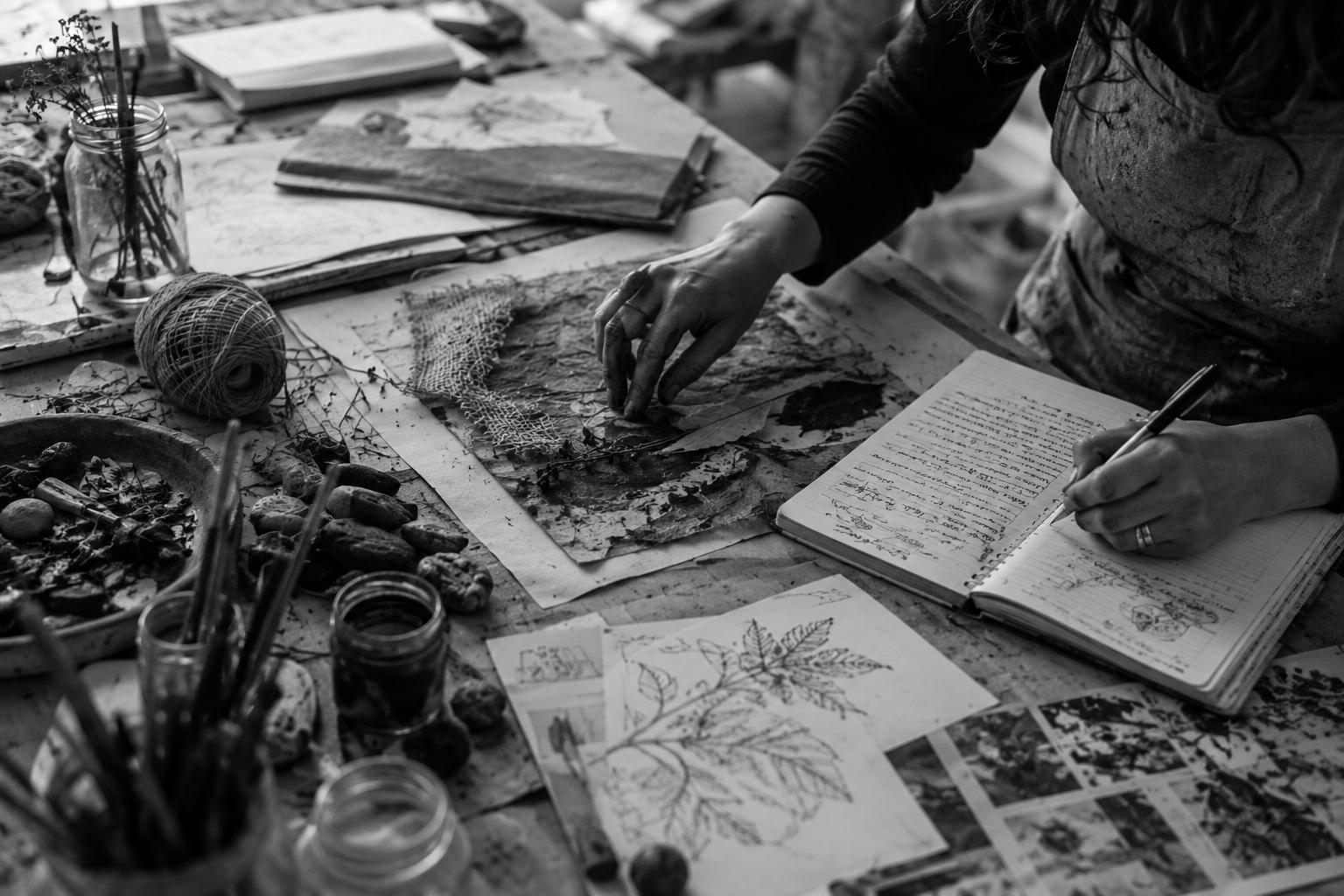
Artistic research connects making and inquiry. Rather than separating creative practice from reflection, it asks how creating, observing, questioning, writing and discussing can continuously inform one another.

Sourcing practice
Artistic and educational practices do more than illustrate ideas. They generate ideas.
In ART-ECO, we look closely at what happens when children and educators make, explore and experiment together: How does a material redirect an activity? What happens when something does not behave as expected? How does a space invite particular forms of movement or attention? When does an individual activity become a shared exploration?
By staying close to such moments, we begin to discover how arts education can cultivate different ways of encountering and responding to the world.
Tools for sourcing practice
Sourcing means slowing down. ART-ECO deliberately creates space between encountering a practice and deciding what it means.
[coming soon]